.svg)



Cyber liability insurance explained: Learn about cyber insurance requirements, what does cyber insurance cover, and cyber insurance for small business owners.

June 23, 2026
.avif)
.avif)
.avif)
Managing technology risks is a must for any business that relies on digital systems. In this blog, you'll learn what IT risk management is, why it matters, and how to build a reliable risk management program. We'll cover the basics of risk assessment, explore common mistakes, and show you how to prioritize your efforts for better information security. You'll also see how a risk management framework can help you meet regulatory requirements and support your business objectives.
IT risk management is the process of identifying, evaluating, and reducing risks that could impact your organization's technology systems. These risks can include data breaches, system failures, or even simple human errors. By having a clear risk management process in place, you can protect your business from costly disruptions and keep your operations running smoothly.
A strong IT risk management approach also helps you stay compliant with industry standards and laws. This is especially important for companies that handle sensitive data or operate in regulated industries. Using a risk management framework, such as the NIST Cybersecurity Framework or ISO 27001, gives you a structured way to manage risks and improve your overall cybersecurity posture.

Even experienced teams can make errors when managing IT risks. Here are some of the most common pitfalls and how you can avoid them:
Skipping a formal risk management framework leads to gaps in your defenses. Frameworks like NIST or ISO provide proven steps to manage risks and keep your business secure.
Not performing IT risk assessment often enough means you might miss new threats. Regular assessments help you spot vulnerabilities before they become major problems.
Some businesses think they can "set and forget" their risk management program. In reality, it should be an ongoing process that adapts as your technology and threats change.
Leaving out important voices, like IT staff or department leaders, can result in blind spots. Involving the right people ensures you identify risks across all areas of your business.
Trying to fix every risk at once can waste resources. It's better to prioritize the most serious threats and address them first.
Without clear risk mitigation strategies, your team may not know how to respond when something goes wrong. Planning helps you act quickly and effectively.
If you don't keep records of your risk management activities, it's hard to track progress or prove compliance during an audit.
A good IT risk management program should include these important elements:

Risk assessment is a key part of IT risk management. It involves finding out where your systems are most vulnerable and how likely it is that something could go wrong. Once you know your risks, you can decide which ones need immediate attention and which can be monitored over time.
Mitigation is about taking steps to reduce the impact or likelihood of those risks. This might mean updating software, improving access controls, or training employees to spot phishing emails. By focusing on both assessment and mitigation, you can build a more resilient business and avoid costly downtime or data loss.
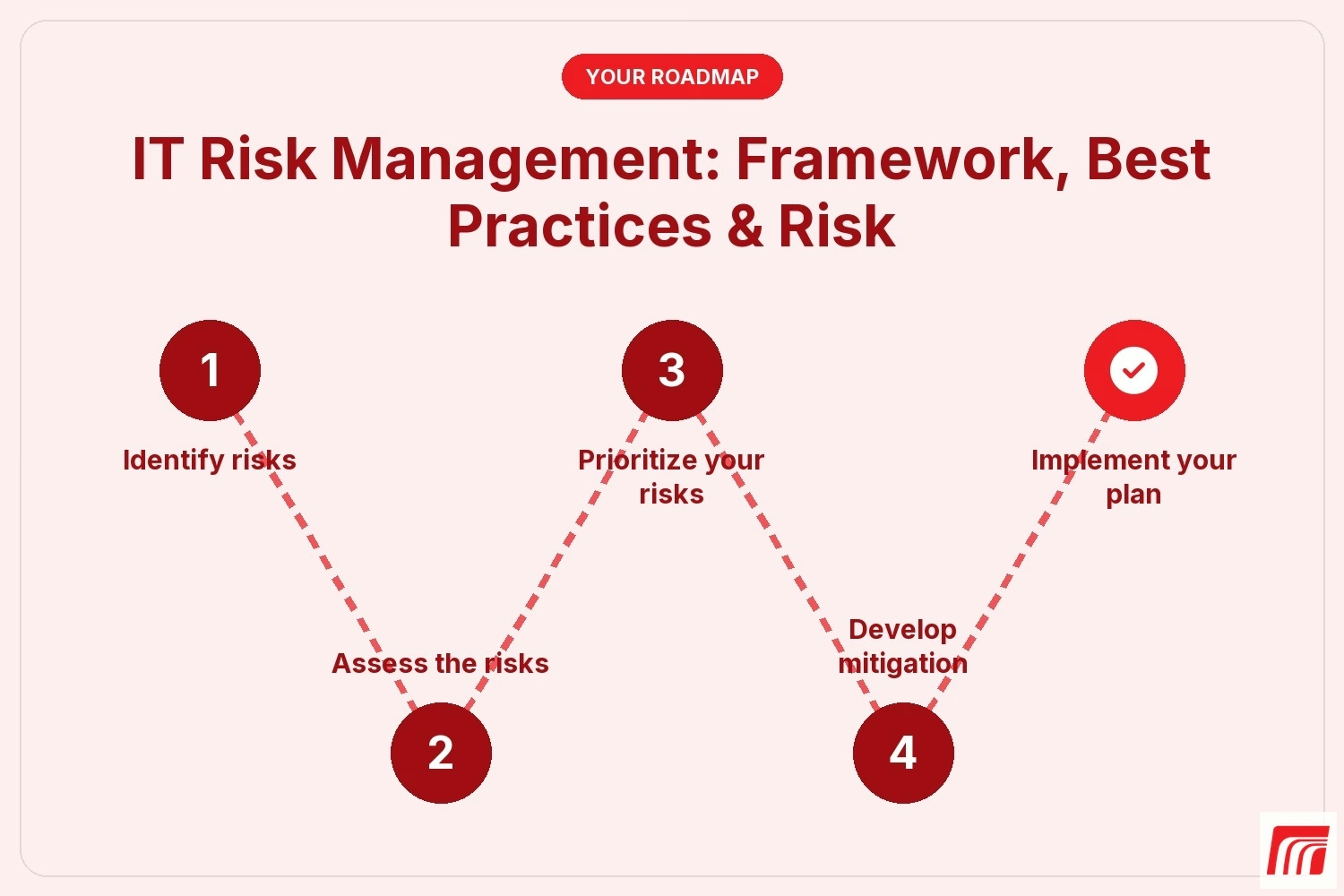
Starting a risk management program doesn't have to be overwhelming. Here are the main steps you should follow:
List all possible threats to your information technology systems, from cyberattacks to hardware failures. Involve different departments to get a complete picture.
Evaluate how likely each risk is to happen and how much damage it could cause. Use tools or checklists to make this process easier.
Decide which risks are most urgent based on their potential impact. Focus your resources where they matter most.
Create a plan for how you'll reduce or respond to each major risk. This could include technical fixes, process changes, or staff training.
Put your mitigation strategies into action. Make sure everyone knows their role and responsibilities.
Regularly check your systems and update your risk management program as needed. Stay alert for new threats and changes in your risk landscape.
Keep records of your risk management activities. This helps with audits and shows your commitment to information security.
When you start to implement IT risk management, it's important to get buy-in from leadership and staff. Explain why managing risks matters and how it supports your business objectives. Make sure your team understands their role in keeping systems secure.
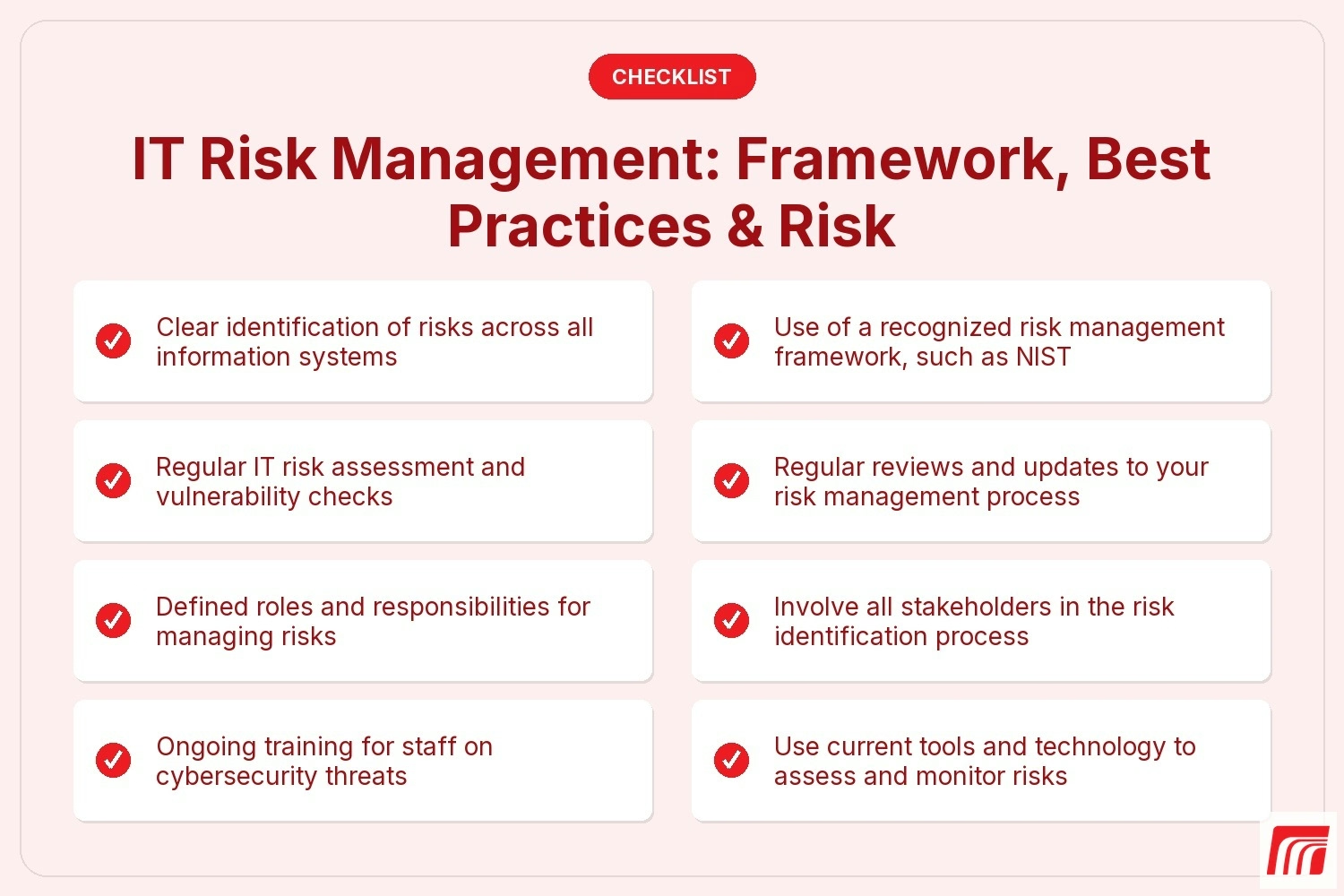
Using a recognized risk management framework, like the NIST Cybersecurity Framework, can make the process easier. These frameworks provide step-by-step guidance and help you meet regulatory requirements. Regular training and communication are also key to building a culture of security.
Following these best practices can help you get the most from your IT risk management efforts:
By following these steps, you can build a more secure and resilient organization.
Are you the Average of 20 and looking to strengthen your IT risk management? If your business is growing and you want to protect your systems, data, and reputation, our team is ready to help you build a safer future.
We understand the challenges of managing technology risks while focusing on your core business. MBPS offers expert guidance, proven risk management frameworks, and ongoing support to keep your operations secure. Contact us today to see how we can help you implement a reliable IT risk management program.
A risk management framework is a set of guidelines that helps you identify, assess, and respond to risks in your information technology systems. Using a framework ensures your risk management process is organized and covers all critical areas.
Frameworks such as NIST and ISO 27001 make it easier to meet regulatory requirements and improve your overall information security. They also help you align your risk management program with your business objectives and industry standards.
You should perform an IT risk assessment at least once a year, or whenever there are major changes to your systems. Regular assessments help you spot new vulnerabilities and keep your risk management process up to date.
By assessing risks frequently, you can adapt to the evolving risk landscape and stay ahead of cybersecurity threats. This proactive approach supports ongoing compliance and business continuity.
Best practices include involving all stakeholders, using current tools, and aligning your risk management program with your business objectives. Regular training and communication are also key.
It's important to review your risk management process regularly and stay informed about new cybersecurity risks. This helps you identify risks early and respond effectively.
Regulatory requirements set the minimum standards for protecting information systems and data. Meeting these rules is essential to avoid fines and legal issues.
Following a recognized risk management framework, like NIST or ISO 27001, helps you meet these requirements. It also ensures your risk management program is thorough and up to date.
Risk mitigation involves taking steps to reduce the impact or likelihood of identified risks. This can include technical fixes, process changes, or staff training.
A strong risk management program includes clear mitigation strategies for each major risk. This ensures your team knows how to respond quickly and effectively when issues arise.
Prioritizing risks means focusing on the threats that could cause the most harm to your business. Use a structured methodology to rank risks by likelihood and impact.
By prioritizing, you can allocate resources where they are needed most and address the most serious risks first. This approach makes your risk management process more efficient and effective.