.svg)




Learn HIPAA security rule essentials, HIPAA IT requirements, HIPAA compliance checklist, and HIPAA compliant technology for full HIPAA security rule compliance.

July 17, 2026
.avif)
.avif)
.avif)
Businesses face more threats than ever, making endpoint protection solutions a must-have for any organization that wants to keep its data safe. In this article, you'll learn what endpoint protection is, why it matters, and how to choose the right endpoint protection platform. We'll cover the most common mistakes companies make, key features to look for, and practical endpoint protection strategies. You'll also find tips for implementation, best practices, and answers to frequently asked questions. Topics like endpoint detection and response, security solution selection, and malware protection will be explained in simple terms.
Endpoint protection solutions are security tools designed to protect devices such as laptops, desktops, and mobile phones from cyber threats. These solutions help prevent unauthorized access, malware infections, and data breaches. By using a reliable system, businesses can keep sensitive information safe and maintain trust with clients and partners.
A strong endpoint protection platform combines several layers of defense, including antivirus, firewall, and advanced threat detection. This approach helps organizations respond quickly to new threats and reduces the risk of costly downtime. Choosing the right endpoint security solution is essential for building a solid security posture and meeting compliance requirements.
Even with the best intentions, businesses often make mistakes that weaken their endpoint protection. Here are some of the most frequent errors and how to avoid them.
Using old or unsupported security software leaves your devices open to new threats. Hackers often target known vulnerabilities in outdated programs. Make sure your endpoint protection solutions are always up to date.
Some companies skip EDR tools, thinking basic antivirus is enough. EDR provides advanced monitoring and quick threat detection, helping you respond before damage is done. Without EDR, you might miss hidden attacks.
Employees are often the weakest link in security. If they don't know how to spot phishing emails or unsafe downloads, your protection solution won't be effective. Regular training is key.
Default settings may not fit your business needs. Customizing security policies ensures your endpoint protection platform covers all your devices and data types. This step helps address unique risks.
It's easy to forget about mobile devices or remote workers. Every device connected to your network is a potential entry point for attackers. Make sure your endpoint management covers everything.
Waiting to install updates can leave you exposed to attacks. Automated patch management helps keep your systems secure without extra effort.
Without a clear plan, your team may not know how to react during a breach. A good incident response process limits damage and speeds up recovery.
When choosing endpoint protection, look for these important features:

Developing strong endpoint protection strategies is about more than just buying software. It means understanding your risks, setting clear policies, and making security part of your company culture. Effective endpoint protection strategies help you stay ahead of threats and reduce the chances of a successful attack.
A good strategy includes regular risk assessments and updates to your security posture. It also involves working closely with your security team to identify gaps and improve defenses. By using a layered approach, you can protect your business from both common and advanced threats.
Choosing the right endpoint protection solution takes careful planning. Here are the main steps to follow.
Start by reviewing your existing defenses. Identify which devices need protection and what types of endpoint security are most important for your business.
List the features you need, such as malware protection, data protection, and support for remote workers. Consider compliance needs and industry regulations.
Research different vendors and compare their endpoint security offerings. Look for solutions that fit your budget and technical needs.
Make sure the protection software works with your current systems. User-friendly tools are easier for your team to manage and maintain.
Choose a vendor that provides regular updates and strong customer support. Quick responses to new threats are essential.
Select a solution that can grow with your business. Scalable endpoint protection software saves time and money as your company expands.
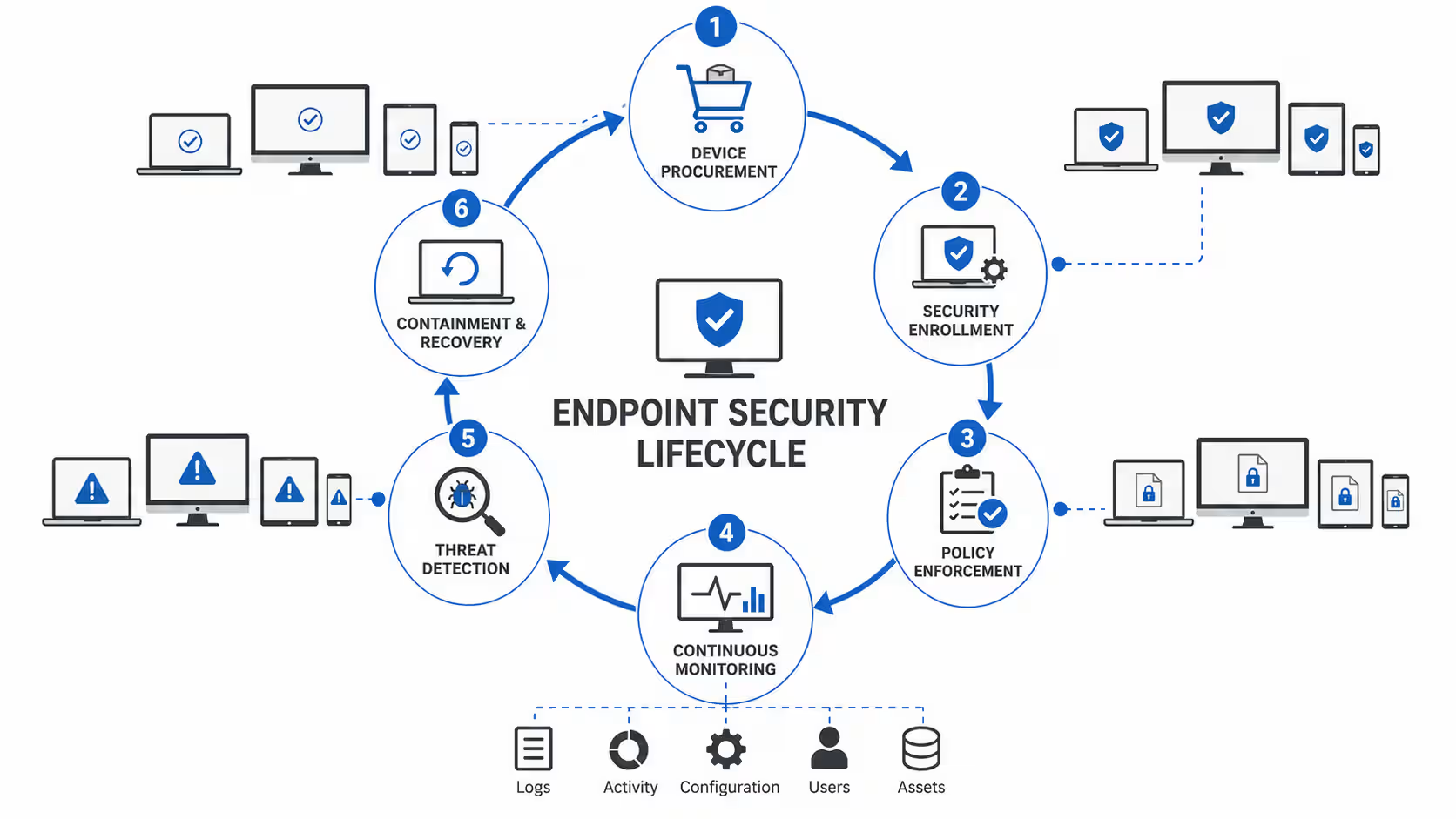
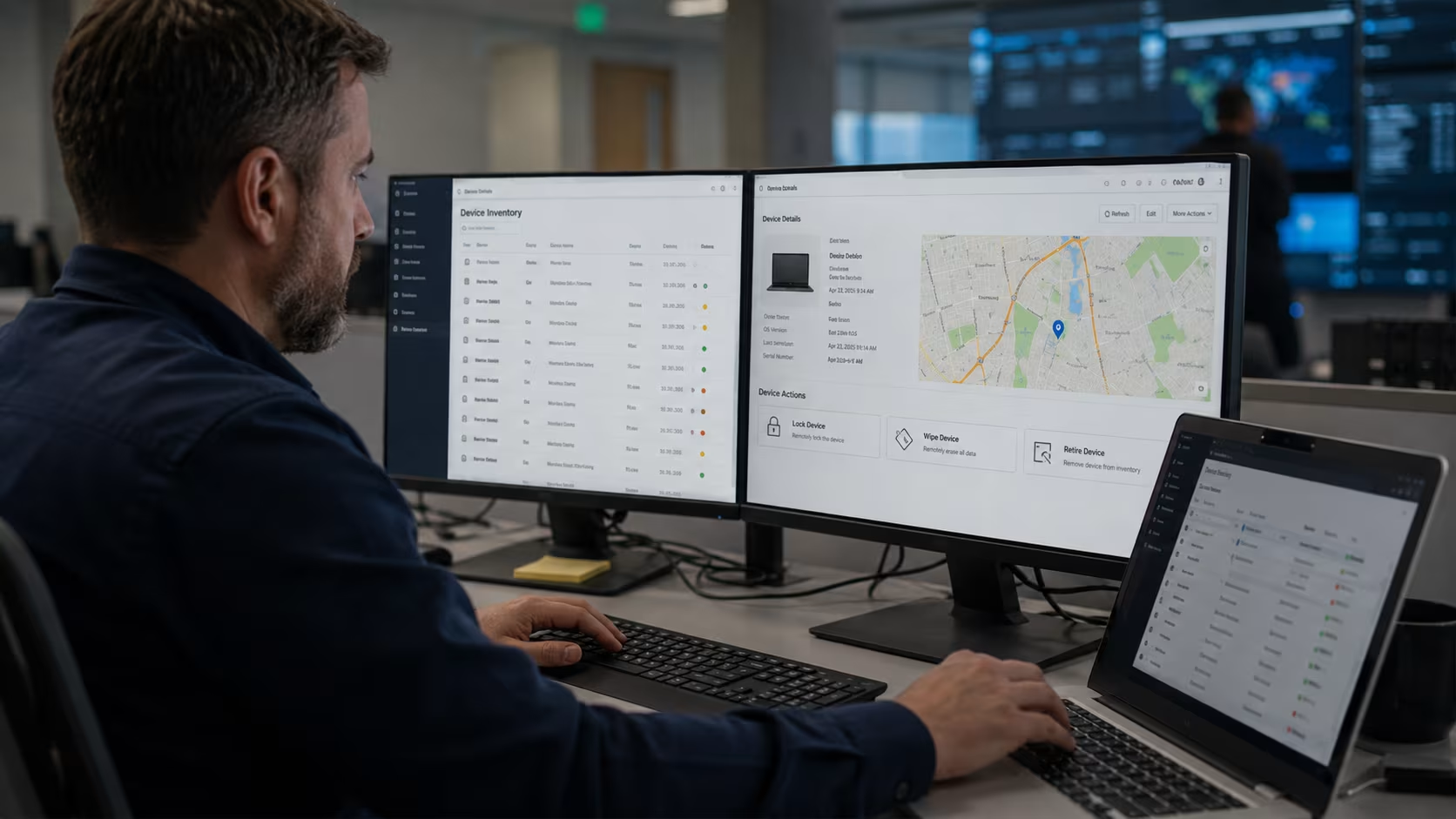
Rolling out endpoint protection solutions requires a clear plan and ongoing attention. Start by setting up centralized management so you can monitor all devices from one place. This makes it easier to spot problems and apply updates quickly.
Work with your security team to create and enforce security policies. Make sure every employee understands their role in keeping devices safe. Regular training and communication help build a strong security culture.
Finally, schedule regular reviews of your endpoint protection strategies. Update your tools and policies as threats change. Staying proactive keeps your business protected.
Follow these best practices to get the most from your endpoint protection solutions:
Staying consistent with these steps helps prevent breaches and keeps your data safe.

Are you the Average of 20 or more, looking for reliable endpoint protection solutions? If your business is growing, you need security that keeps up with new threats and changing technology. We understand the challenges businesses face and can help you find the right endpoint protection strategies for your needs.
Our team at MBPS specializes in supporting companies with advanced endpoint protection solutions. We offer guidance on selecting, implementing, and managing your security systems. Contact us today to see how we can help protect your business.
Endpoint protection is a set of tools and practices that secure devices like computers and phones from cyber threats. It helps prevent malware, unauthorized access, and data loss. Using strong endpoint security software is essential for keeping your business data safe.
A good endpoint protection platform also helps you meet compliance requirements and build trust with customers. It supports your security team by providing real-time alerts and automated responses to threats.
Endpoint detection and response (EDR) tools monitor devices for suspicious activity and quickly respond to threats. EDR uses advanced analytics to spot unusual behavior and block attacks before they cause damage.
These solutions often include features like threat detection and response, automated investigations, and detailed reporting. EDR helps improve your overall security posture and reduces the risk of data breaches.
There are several types of endpoint security, including antivirus, firewalls, intrusion prevention systems, and data protection tools. Each type targets different threats and helps create a layered defense.
Modern endpoint security solutions may also include extended detection and response (XDR), which combines multiple security tools into one platform. This approach gives you better visibility and control over your network.
Start by assessing your business needs and the risks you face. Look for endpoint protection software that offers centralized management, real-time monitoring, and support for all your devices.
Consider solutions that integrate with your existing network security tools and offer regular updates. The best endpoint protection is easy to use and can scale as your business grows.
Security policies set the rules for how devices are used and protected in your organization. They help ensure that everyone follows best practices and reduces the risk of human error.
Clear security policies support your endpoint management efforts and make it easier to enforce compliance. Regularly review and update these policies to address new threats and technologies.
Automated patch management is one of the best ways to keep your endpoint protection current. This ensures that all devices receive the latest security updates without manual effort.
Work with your IT team to schedule regular reviews of your protection solution and update your security strategies as needed. Staying proactive helps you respond quickly to new threats.